More of Randy's must-reads...

Randy Caparoso's Culinary Wine & Food Matching is everything you wanted to know about wine and food matching sans the gibberish and maddening generalities.


Thursday, September 24, 2009

Still crazy good after all these years: Oregon's Cristom Pinot Noirs

When I asked winemaker Steve Doerner how his approach to winemaking has evolved over the past twenty years when I visited him at Cristom Vineyards this past August, he confessed, “I’m almost embarrassed to say that I haven’t changed much at all. I guess you can say I’ve grown comfortable with my ways.”


From most vintners, that statement might set off alarms (lord knows, I’ve been in enough wineries of long standing, chatting with vintners left sadly behind the times). But from Doerner, this was actually music to my ears. You see, we first met in 1989, towards the end of his fourteen year stint as winemaker for Calera Wine Company in San Benito, working with ultra-ripened pinot noir and chardonnay grown by Josh Jensen.


While Calera’s wines may never have been to my taste (I’ve always found them overly alcoholic and ponderous – a byproduct of a warm climate terroir, not any winemaker’s doing), I distinctly remember being astounded by what Doerner was doing there: applying 100% natural yeast and whole cluster fermentation, wines pressed and going “dirty” directly into barrel, zero filtration, and at all times, bare minimal handling – techniques considered not just brazen, but downright foolhardy by the convention of those days, even among the more cutting-edged producers (like Merry Edwards, David Ramey, and Chalone’s late Richard Graff) of the time.


Doerner was doing then what many winemakers today still haven’t caught up with.


Cristom pinot noir at veraison


And by gosh, last month I heard Doerner repeat the same thing I heard him say way back when: “Never try to do anything to pinot noir that you aren’t sure won’t work.” Then, as now, Doerner professed faith in time honored methods of Burgundy –plenty enough empirical evidence even for him (Doerner’s degree at U.C. Davis was in biochemistry). But of even Old and New World “innovations,” like pre-fermentation cold soak and post-fermentation maceration, Doerner has never felt a need. Then, as now, he repeats, “with only wild yeasts to do the work, whole clusters take a little more time to get started, and fermentation within individual berries takes even longer. So in a way, there is extended contact because of the sheer length of fermentation (between 14 and 21 days), with the different yeast strains working at their own pace.”


Now, you may have heard in some quarters that this whole thing about native yeast fermentation is mostly marketing hokum because wineries who do this usually have a history of commercial yeast usage (therefore, most “wild yeast” fermentations are probably the work of cultured yeasts, since all previously used yeast strains tend to remain in the air and on the surfaces of every winery).


So it was with great interest, in 1992, when I read about Doerner taking the job as winemaker for the newly founded Cristom Vineyards in Willamette Valley. You can bet, in November of 1993, that I beat a path to the door of Doerner’s new home, my ears stinging by the onslaught of Oregon winter. So many questions, especially:

  • How does a winemaker, basically trained in California, adjust to Oregon grapes, and much cooler Oregon terroirs?

  • What would be the effect of Doerner’s previous methodolgy (i.e. natural yeasts, whole cluster, minimal handling and zero filtration) on Oregon grown pinot noir, or would he be forced to make changes?


In 1993, as now, I was pleasantly surprised to find Doerner not only applying the same principles as before, but making wines of greater power and focus than ever; only, with the finesseful attributes of Oregon grown fruit. Regarding native yeast fermentation: no problem. “Stuck” fermentations, green “stemmy” tannins or other related issues? Obviously nada, as Doerner tasted me on barrel after barrel of Cristom’s first wines: clean, young, sturdily structured yet lush, supple pinots. Ergo: the veracity of natural yeasts is not, after all, a myth hoisted upon us by the French. Given the chance, the yeast strains that appear naturally on grape skins out in the field do just fine in the winery, and by vignerons like Doerner; especially when you begin with whole clusters (at Cristom, generally about 50% of the fermentation vats in warm, ripe years like ’06 and ‘03, and closer to 30% in cooler years like the ’07 and ‘05).


But as always, it doesn’t matter what a winery does, or doesn’t do, if the results in the bottle aren’t worth their salt. In Cristom’s case, I think they’re better than ever. In past vintages, tasted five-ten years back, I confess to not being 100% enthusiastic about every one of Cristom’s pinots; finding some bottlings hard, or unforgiving, in tannin and toughness. But in recent years, I’ve come back to being almost always mightily impressed: pinots of strength and sinew, but also languorous, sultry textures and perfumes – like Audrey Hepburns in black silk, pearls, and wispy smoke from the long platinum cigarette holder.


General impressions after tasting through barrels of ’08 (overall: bright, beautifully scented, crisp and finely structured pinots) with Doerner last month, followed by newly released bottlings of ’07...


Cristom (red roof) from above; Jessie, the reverse-Idaho shaped block to left;
Marjorie, straight up, just above tree break

now here, I found, were some things to write home about:


Cristom, Marjorie Vineyard Pinot Noir 2007 (Eola-Amity Hills) – Cristom now identifies six different sites (or “Ladies”) on its 65 acre estate; yet never prone to hyperbole, Doerner says that “terroir exists, but we need more data points.” Even so, the Marjorie is Cristom’s oldest section (planted in 1982), with the highest percentage of Jory type soil (the mineral rich, red toned volcanic soil, also associated with Willamette Valley’s Dundee Hills AVA), given to a decidedly feminine structure and perfume, scented with the redder berry characteristics of the grape. In the ’07, these qualities comes across as thickly textured, with a good bottom grip of tannin, while dancing, zesty acidity brightens the profile, finishing with sweet sensations of red berries and cinnamoned rose petal nuances.


Cristom, Jessie Vineyard Pinot Noir 2007 (Eola-Amity Hills) - From Cristom's steepest, rockiest site with multiple exposures and shallow soil, primarily composed of the brownish volcanic clay in the Nikea series. In this slightly more stressed medium the pinot ripens variably, resulting in a generally darker complexity of red fruit; and what's more, in rich concentrations. The nose in the '07 is jammy sweet, bright, richly oaked, almost wild with blackberry, raspberry and dried cherry skin; the flavors electrified on the palate by the sheer intensity of the fruit, bursting out of the sturdy, fleshy structure thickened by the polished oak.


Cristom, Sommers Reserve Pinot Noir 2007 (Willamette Valley) - The Sommers are generally blends of “favorite” lots selected for extended barrel aging from the Eola-Amity Hills estate, with smaller proportions of coastal and Dundee Hills cuvées, resulting in artful distillations of the multi-faceted house style: in the ’07, masculine, meaty, and well muscled, centered around round, fleshy qualities steeped in sweetly floral, predominantly dark fruits, backed by polished oak, draped in velvet textures.


Cristom, Signature Pinot Noir 2005 (Willamette Valley) In this crème de la crème bottling: the full, strapping masculinity that is invariably found in a Cristom is all here, in spades; beginning with a dense, round, buffed body gripped by sinewy tannin, fleshed out to overflowing with concentrated, velvet lined fruit, perfumed by wild blackberry, raspberry and cherry cola, deepened by smoky oak, peppermint spice, and organic nuances of crushed brown leaves. Only the third vintage (after ’98 and ’04) of a Signature pinot produced by Cristom since its inception in 1992.

Tuesday, September 22, 2009

The green wars part 2 (organic, Biodynamic® & sustainable tasting notes)


Here’s the lowdown on some of the more notable – if not fantastic – organic, Biodynamic®, and sustainably grown wines tasted during (and just after) my most recent jaunt (August 2009) through the West Coast.
For an explication of the green delineations, please refer to previous pieces on The War Between the Greens and A Consumer’s Precise Guide to Going Green:


REDS


Seven Springs Vineyard, Celebration Gamay 2008 (Eola-Amity Hills; uncertified organic/biodynamic grapes) - Employing nouveau vinification, but a far cry from the usual: vivid purplish ruby followed by teems of sweet blackberry (like the gushy wild fruit we were picking off the sides of the road during our entire two weeks in Oregon) and raspberry aromas; round, luscious, drippy in a zesty center; the sensations soft, yet dense enough with mild tannin to give a little bit of grip on the palate.


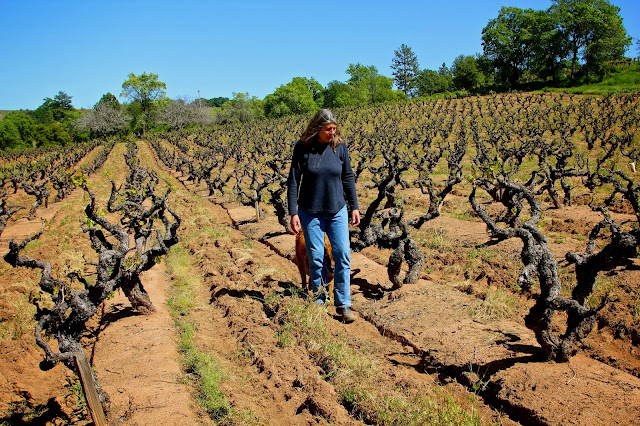
Double cordon "trunks" at Seven Hills Vineyard in Walla Walla Valley


Seven Springs Vineyard, Les Gamine 2008 (Eola-Amity Hills; uncertified organic/biodynamic grapes) - Passetoutgrains inspired blend of authentic gamay (60%) and pinot noir; but again, because of the sheer, gorgeous intensity of this vineyard, more like a passetoutgrains of your dreams: vividly defined rouge on noir berry perfumes in complex, nuanced nose; marvelous interplay of zesty edge and silk/velvet textures, the luscious berry fruitiness emanating brightly on the palate. Utterly unique, compelling.


Seven Springs Vineyard, La Source Pinot Noir 2007 (Eola-Amity Hills; uncertified organic/biodynamic grapes) - Oregon pinot noir lovers have been enthralled by this vineyard for years; and although, since being purchased by Evening Land Vineyards, its grapes are no longer going out to artisanals like Penner-Ash, Cristom and St. Innocent, rest assured that in the hands of French born winemaker Isabelle Meunier and über-consultant Dominique Lafon, Seven Springs pinots will be better than ever. The proof is already in the bottle: beautiful, luscious, fragrant array of rose petal, anisey spice, wild red berries, and blueberry jam in the nose. Velvety smooth entry leading to long, sweet flavors, anchored by sturdy tannin, solidifying the fruit once past the mouth-watering middle.


Maysara, Delara Pinot Noir 2006 (McMinnville; Biodynamic® grapes) - Given its unique locale at the furthest western, coastal edge of the Willamette Valley – strongly influenced by cooling winds pushing through the nearby Van Duzer Corridor – the McMinnville AVA is already associated with pinot noir of exhilarating breadth, more steely structured with acidity and tannin than pinots from the rest of Oregon. Delara is perhaps the most terroir driven of Maysara’s cuvées: its dense, fullsome body elevated by lively acidity, while amplified by its luscious, pungent fruitiness – sweet raspberry and strawberry jam infused with peppermint, pepper, and anise/licorice nuances.


Maysara winemaker, Tahmiene Momtazi


Maysara, Estate Cuvée Pinot Noir 2008 (McMinnville; Biodynamic® grapes) - Slated for fall 2009 release, this cuvée shows the fully ripened, sweet fruit, silk texture, zesty edge, and moderated alcohol typical of this vineyard, as well as the bright qualities of this cool yet trouble-free vintage. Unfettered, wild strawberry in the nose, expressed in vibrant, fruit forward sensations on the palate, gliding clear through firmly defined tannins.


Stoller Vineyards, SV Pinot Noir 2007 (Dundee Hills; LIVE sustainable grapes) - This is one of the deeper toned pinot noirs coming out of this AVA, associated as it is with reddish fruit forward pinot profiles, and an outstanding one at that. Here, the red berry perfume is laced with brown spices and faint, composted earth qualities; on the palate, a fine, long, feminine body underlain by sinewy tannin, giving savory, nuanced flavors, suggesting raspberry tea, smoky spices, and caramelized oak.


Cristom, Jessie Vineyard Pinot Noir 2007 (Eola-Amity Hills; LIVE sustainable grapes) - Geez, can Oregon Pinot get any richer? The nose is jammy sweet, bright, richly oaked, almost wild with blackberry, raspberry and dried cherry skin; the flavors electrified on the palate by sheer intensity of the fruit, bursting out of the sturdy, fleshy structure thickened by the polished oak.


Cristom, Signature Pinot Noir 2005 (Willamette Valley; uncertified sustainable grapes) - Winemaker Steve Doerner has stuck to his guns over the past twenty years – applying 100% natural yeast, whole cluster (50% in riper years, closer to 30% in cooler years like` ‘07) fermentation, zero filtration, and minimalist handling – and has honed it to perfection. The full, strapping masculinity that is invariably produced is all here in a dense, round, buffed body gripped by sinewy tannin; fleshed to overflowing with concentrated, velvet lined fruit, perfumed by wild blackberry, raspberry and cherry cola, darkened by smoky oak, peppermint spice, and organic nuances of crushed brown leaves. Only the third vintage (after '98 and '04) of a Signature pinot produced by Cristom since its inception in 1992.


Bergström, Bergström Vineyard Pinot Noir 2007 (Dundee Hills; Biodynamic® wine) - Quintessential Dundee Hills style, redolent of sweet red berries, flowery and lacy over the rim; but it’s on the palate that this wine really shows its stuff – a plump, soft entry transitioning into a velvety, lush, round, medium-full middle, the red berry sensations fleshy, supple, pliant to the touch.


Bergström, de Lancellotti Vineyard Pinot Noir 2007 (Chehalem Mountains; Biodynamic® wine) - Vivid violet-ruby color, nearly just as deep at the rim; the nose mixing wild blackberry and cherry, less floral than its brethren bottling from the Dundee Hills, but given a dense, gripping, substantive feel on the palate, under an artistically delineated layer of softly sweet fruit.


Beaux Frères, Beaux Frères Vineyard Pinot Noir 2007 (Willamette Valley; uncertified organic/biodynamic grapes) - Of this meticulously farmed jewel crowning the Ribbon Ridge AVA, the most significant thing I can report is that it is no longer laden with the tannic heft associated with max-extraction, nor with the aggressively toasted, lumbering oakiness that once gave the brand its swaggering edge. Instead, it’s metamorphosed into a sumptuous, gracefully rounded epitome of the grape. Sure, there still is a perceptively smoky oak nuance embellishing the lush nose of strawberry and wild berries; but on the palate, the feel is crisp, silky and refined rather than thick and chewy. Big Bad Bill is Sweet William now.


Beaux Frères, Upper Terrace Pinot Noir 2007 (Willamette Valley; uncertified organic/biodynamic grapes) - One of the discernible differences biodynamic practices have wrought on recent Beaux Frères vintages, according to vigneron Mike Etzel, is redder as opposed to blacker fruit profiles. Physiological ripeness comes at lower sugars (hence, lower alcohol and less raisiny-ripe, root beerish notes; and in response, Etzel has been exerting less punch-down, and more gentle pump-overs, to coax rather than extricate complexity. Juicy strawberry leaps from the glass of this Upper Terrace, the fruit aroma tinged with smoky spice. A round, fleshy body comes across as soft and silky; the red fruit flavors, fresh, lively, elegantly poised against this polished, yet sturdy, veneer.


Brick House's Doug Tunnell


Brick House, Les Dijonnais Pinot Noir 2007 (Ribbon Ridge; Biodynamic® grapes) - Bright transparent ruby signaling the delicacy and lacy silkiness found in the glass; the red berry perfume, singular yet fragrant, penetrating; the fruit qualities on the palate, while fine and sweet, in taut balance with mouth-watering acidity and moderated tannin against a faint backdrop of brown spiced oak, finishing long and lively.


Brick House, Ribbon Ridge Pinot Noir 2007 (Ribbon Ridge; Biodynamic® grapes) - Here the femininity of the house style reaches an extreme, with fragrances of candied red berries tinged with brown spices (suggesting cinnamon and allspice); sleek, slender, light-medium body enlivened by tingling acidity and soft, unobtrusive tannin.


Chehalem, Stoller Vineyard Pinot Noir 2007 (Dundee Hills; LIVE certified grapes) - Lovely rendering of this classic Dundee growth; nose of sweetly concentrated dried plum and red berries, with sachet-like mix of dried rose petal, star anise and Chinese five spice perfumes; long, refined, silken medium body, intricately layered with sweet berries, polished oak, exotic spices and gently tugging tannins.


Chehalem, Reserve Pinot Noir 2006 (Oregon; LIVE certified grapes) - Decidedly masculine style: deep, bright burgundy red followed by intense black cherry aroma; juicy, fleshy fruit-bomb qualities couched in an emphatic, viscous, full body, tightened by muscular tannin.


RR, Pinot Noir 2005 (Willamette Valley; LIVE sustainable grapes) - Chehalem’s upper crust, reserve quality label, culled from older sections of Ridgecrest Vineyard in the Ribbon Ridge AVA (hence, the “RR”). The ’05 is a vinous orgy: roasted bacon/meat mixed with concentrations of cherry and dried plum in the nose; huge (for a pinot), fleshy, dense and velvety on impact, becoming dense, almost ponderous, yet perfectly round and seamless in the mid-palate; the meaty, plummy, cherry bomb fruit compacted, and oozing from the center like a Whitman’s chocolate.


Domaine Serene, Evenstad Reserve Pinot Noir 2006 (Willamette Valley; LIVE sustainable grapes) - Who doesn’t think of this growth as an apotheosis of Dundee Hills? It’s been consistent enough, and finer with each passing vintage. The classic, pretty red berry perfume in the ‘06 is deftly harmonized with rich, toasty oak. The handsome oak, full body and weight adding tannin do not keep the wine from being balanced and buoyant; the fragrant fruit fleshing out the middle, rolling into a sweet finish.


Cooper Mountain's Barbara Gross & Gilles Antoine de Domingo


Cooper Mountain Vineyards, 5 Elements Pinot Noir 2007 (Willamette Valley; Biodynamic® wine) - Bright, purplish ruby; luscious, fruit focused nose of black cherry and plums, with bare whiffs of vanilla; good size – medium-full on the pinot scale – shaped by dense, round, thick, slightly viscous sensations; again, the flavors focused on deliciously unfettered fruit, as opposed to feminine or finesseful aspects of the mythical varietal profile.


Cooper Mountain Vineyards, Life Pinot Noir 2008 (Willamette Valley; Biodynamic® grapes; TILTH organic wine) - This is Cooper Mountain’s pure, unsulfured cuvée; in a way, experimental (only 100 cases produced), but a 100% success as far as I’m concerned. Winemaker Gilles Antoine de Domingo quips that this is for the “OCD palate,” in reference to the fruit focus incurred from minimal oak aging, resulting in the fresh, lively, mildly spiced, totally clean and bright varietal fruitiness (cranberry/cherry), couched on a bed of soft tannin. As good as it gets for unsulfured pinot.


Domaine Drouhin, Laurène Pinot Noir 2006 (Oregon; LIVE sustainable grapes) - Here and there you hear references to the “Dundee spice,” and whether it exists or is just a figment in an overenthusiastic collective imagination, there is a sweet, brown kitchen spice (cinnamon, clove, nutmeg, etc.) lending interest to the otherwise singular red berry (veering towards black) fragrance of this Dundee Hills estate bottling. The entry is soft, fine, silky; becoming tight with tannin in the middle of a medium-full body, but finishing sweet between the hardening textures.


Pali, Momtazi Vineyard Pinot Noir 2007 (Willamette Valley; Biodynamic® grapes) - Pali is housed in the “Wine Ghetto” of Santa Barbara’s Lompoc, but they do too good a job with Maysara’s McMinnville, Oregon grapes not to mention here: a sweet, lush, vibrantly aromatic, smoky spice tinged mix of red and black berries backed up in the mouth with sturdy tannins; the feel is full and dominant, yet the texturing, soft, plump, pliant


King Estate, Signature Collection Pinot Noir 2007 (Oregon; LIVE sustainable & TILTH organic grapes) - Bright, flowery, juicy strawberry/wild cherry nose tinged with light peppermint spice; accessibly soft, forward fruit flavors of the same following up in a compact, medium body with easy going tannin, finishing as softly fruity as it starts.


Ken Wright's McCrone Vineyard planting just past veraison


Ken Wright, Carter Vineyard Pinot Noir 2008 (Eola-Amity Hills; uncertified organic grapes) - Since high demand pinot noirs are often allocated or pre-sold, it’s a good idea to get a handle on the upcoming 2008s. According to, Ken Wright, ‘08 was very cool, almost bleak, especially after a “significant rain the first week of October.” But this was followed by “twenty-two gloriously warm days that gave the grapes the opportunity to assemble everything… tremendous structure, and very agreeable, complex, delineated flavors.” The ’08 Carter is a good indicator: displaying ringingly bright, concentrated wild berry fruit tucked into densely layered textures, begging for more time in the bottle than usual for Oregon. Wright advises us to expect 2008 to be “not be as fleshy as ’06, ’02, or ’94,” but punctuated by an energetic acidity that “reminds me of ’88.”


Alma Rosa, La Encantada Pinot Noir 2007 (Sta. Rita Hills; CCOF organic grapes) - More aggressive California style nose – sun dried blackberry, caramelized oak, and brown spices – yet refined, moderately weighted on the palate despite sinewy tannin and the smoke of oak, lending chewy tobacco-like qualities to the pinot fruit.


Porter-Bass Estate, Pinot Noir 2007 (Russian River Valley; uncertified biodynamic grapes) - Luscious fruitiness of all the strawberries in the world, scented and layered between velvet textures, piquant acidity and soft, finesseful tannins.


Porter-Bass, Zinfandel 2005 (Russian River Valley; uncertified biodynamic grapes) - More of a pinot-like perfume, rather than a typical ultra-ripe zinfandel jamminess, in the nose of this uniquely fashioned wine: a pristinely fresh burst of wild raspberry, strawberry and cherry, spiced with cinnamon, clove and green peppercorn; on the palate, the juicy, briar laced fruitiness couched in a fine, medium body punctuated by prickling acidity and just mild tannin.


Amavi, Les Collines Vineyard Syrah 2006 (Walla Walla Valley; IOBC sustainable grapes) - Black purplish color unveils a powerful, plummy, violet scented nose nuanced with gunflint black tea, garrigue-like rosemary, and smoked meat aromas; big and round on the palate, the thick tannins smoothed over by the preponderance of varietal fruit.


Tyrus Evan, Seven Hills Vineyard Syrah 2006 (Walla Walla Valley; LIVE sustainable grapes) - Seven Hills is known to many aficionados of Walla Walla Valley wines, although what’s often overlooked is that the vineyard lies at the south end of the AVA, in Oregon rather than in Washington St. (hence, its Oregon LIVE certification). Ken Wright lends his polished style to his Tyrus Evan label, all but containing the explosively ripe, floral, blue and black berry nuanced Syrah perfume; big, thick, yet round and velvety on the palate.


Saviah Cellars, Syrah 2006 (Walla Walla Valley; LIVE & IOBC sustainable grapes) - Here’s a whippersnapper: out of a purple haze, blackberry liqueur and cloved cherry compote aromas condensed into compact nose; on the palate, a dense, tannin lined, vanilla laced fruitiness with youthful, primary qualities – piquant, chewy, sweet.


Va Piano, Bruno’s Blend V (Columbia Valley; VINEA sustainable grapes) - An artfully crafted, multi-vintage blend of syrah (67%), cabernet sauvignon (19%) and merlot (14%) that hits an exact, crowd pleasing bull’s eye of lush, ripe, sweet toned, mildly spiced fruit, suggesting dried cherry and blueberry, with smoky oak and minty/herbal flourishes. While densely textured on the palate, the feel is round and plump, letting fruit wrap around its modicum of tannin to give friendly, toothsome sensations.


Beckmen, Purisima Mountain Vineyard Syrah 2007 (Santa Ynez Valley; Biodynamic® grapes) - Black purple extraction; intense, wild blackberry concentration with a floral, violet-like perfume and smoky, chocolaty suggestions; on the palate, a gushy, almost sweet fruit-bomb character, notwithstanding a thick, muscular feel; the thick tannins and oak toast playing second fiddle to the plump, youthful fruitiness.


Stolpman Vineyards, Estate Grown Syrah 2007 (Santa Ynez Valley; uncertified organic grapes) - Glass staining purplish ruby releasing a varietal perfume of sweet violet, lavender and blackberry; big, thick, densely layered body compacted by sturdy tannin, filled to the brim with meaty syrah fruit sweetened by a glycerol viscosity, powering through the smoke and tannin.


Doonster, Randall Grahm in San Juan Bautista


Bonny Doon, Le Cigare Volant 2005 (California; uncertified biodynamic grapes) - 50% grenache/24% mourvèdre/22% syrah/3% carignane/1% cinsault. Randall Grahm’s eponymous red Cigare never really went away; it just floats in and out of our consciousness with the same plump, toothsome spirit that it has the past two decades, only now with more organic (i.e. more immediacy of fruit, wrapped in soft leather) feel. The earthen brett notes thinly wrap around sweet cherry/kirsch-like fruit in the nose; on the palate, coming across with a nice, notably acidic zest, a lusciously rounded, fleshy middling weight, with soft, leather glovey tannins seeping through the layers.


Quintessa 2006 (Rutherford/Napa Valley; uncertified biodynamic grapes) - Lush, chocolate coated blueberry and red berry aroma; the fruit draped in velvet and layered over muscular tannin, wrapped in rich, toasty oak with scrubby, organic underpinnings, expanding its medium-full body.


Neal Family, Wykoff Vineyard Cabernet Sauvignon 2004 (Rutherford/Napa Valley; CCOF organic grapes) - Sweetly scented nose of shriveled blackcurrant and cassis; elegantly composed medium-full body giving velvety, soft leather qualities to the sweetly concentrated fruit.


Freemark Abbey, Sycamore Vineyard Cabernet Sauvignon 2003 (Napa Valley; Biodynamic® grapes) - Classic blackcurrant varietal nose is modified significantly by almost wild, briary/foresty/mushroomy notes polished with smoky/vanillin/toasty oak. Rounded, medium weight for a Cabernet, with an even keeled, balanced quality to the briary, shriveled berry flavors, poised atop moderate tannin. Definitely more for aficionados of an older, earthier, organically defined style of Cabernet Sauvignon, as opposed to the ultra-ripe blockbuster style that is the current rage.


WHITES


Ken Wright, Pinot Blanc 2007 (Willamette Valley; uncertified organic grapes) - This wine is so breathtakingly good, it makes you both laugh and cry to think of how underappreciated this grape can be. Then again, Wright does have a rarified touch; but either way, this bottling is a killer: from the Meredith Mitchell Vineyard in the coastal foothills southwest of McMinnville; exuding sweet, juicy perfumes of pear, nectarine and Santa Rosa plum; on the palate, scintillatingly crisp, fresh acidity lifts the fruit to further, liquid heights, overflowing its silky fine, long, slender, light-medium body.


Chehalem, 3 Vineyard Pinot Gris 2008 (Willamette Valley; LIVE sustainable grapes) - The finest Oregon pinot gris I’ve experienced in years; spectacularly intense tropical perfume, throwing out honeyed pear/apricot/veering-on-pineapple aromas, with notes of stony minerality. On the palate, totally exhilarating, lively, juicy fruit qualities embedded in slightly viscous, silky textures; yet just light-medium bodied on the palate, finishing with a crisp, mouth-watering exclamation.


Chehalem, Riesling Reserve 2008 (Willamette Valley; LIVE sustainable grapes) - Don’t know what exactly is going on here, but winemaker/proprietor Harry Peterson-Nedry and his team are really hitting home runs these days. The nose here is properly floral, while exuding exotic, almost stunningly unique aromas of kiwi, frangipani and mango nectar. Zesty, glittering fruitiness underlined by a whisper of sweetness (at 4% residual sugar, more of a suggestion prompted by the fruit intensity); the flavors filling the mouth, yet finishing light and refreshing.


Seven Springs Vineyard, La Source Chardonnay (Eola-Amity Hills; uncertified organic/biodynamic grapes) - Oregon grown chardonnay is rarely something to write home about; but when it’s good, it’s spectacular from the perspective of uncommon balance (crisp, harmonizing acidity) and texture (tautly wound). Here, a sweet cream, subtle oak veil is draped over a honeyed pear/apple aroma, almost tropical in perfume; on the palate, silk and cream sensations are merged with lemony crisp textural qualities, unleashing sensations of buttery apples, with a bananas Foster-like caramelized intensity. Finishes long, with an amazing, almost sleight of hand levity (just 12.8% alcohol).


Stolpman's vigneron, Sashi Moorman


Cowhorn Vineyard, Viognier 2008 (Applegate Valley; Biodynamic® wine) - This is a promisingly new Southern Oregon estate, first planted in ’05 with the help of Biodynamic® guru Alan York. Sitting in a cooler section of the Applegate AVA, the wines are probably never destined to be blockbusters except in the definition of its grapes; as evidenced by this viognier, which sings loud and clear with perfumed fragrances, suggesting sweet apple and pear with a mango-like lushness; the wine framed in a crisp, silky, medium-full body, smartly smoothed over by creamy barrel fermented texturing.


Stolpman Vineyards, L’Avion 2007 (Santa Ynez Valley; uncertified organic grapes) - 90% roussanne/10% viognier: golden straw, followed by hugely exotic nose, suggesting waves on tropical shores (mango, ginger, honeysuckle, pineapple); high glycerol gives a fleshy, almost slippery quality to the full body, jam packed by the big, buoyant, aroma driven fruit flavors.


Bonny Doon, Le Cigare Blanc 2007 (Beeswax Vineyard, Arroyo Seco; Biodynamic® wine) - 64.3% roussanne/35.7% grenache blanc. Straw gold, followed by multi-faceted nose of wet stone/mineral, creamy marzipan, slivers of pear and toasted, honeyed nuts and a drop of vanilla. Full, round, fleshy feel on the palate; dense texture giving full body filled nearly to top with juicy pear and stony sensations. Winery suggests “molecular gastronomic dishes found at über-restaurants” like “Alinea, wd-50 or El Bulli”… yeah, right (thanks, guys). More plebian matches like paper wrapped boudin blanc, saffroned bouillabaisse or mussels in tarragon and/or fennel laced broth will probably do just fine.


SWEET WHITES


Pacific Rim, Organic Riesling 2008 (Columbia Valley; WSDA organic grapes) - Not to be confused with the much larger (up to about 40,000 cases), ubiquitous, sushi associated, multi-national sourced “Pacific Rim Riesling” bottling, this is a product of hand crafting from Randall Grahm’s new facility outside of Washington’s Tri-Cities, representing a fulfillment of the Doonster’s Teutonic dreams. Coming out of one of the coolest vintages in the state (resulting in beautifully high acidities), picked at an amazingly low, yet fully ripened, 20° Brix, and vinified to 3.8% residual sugar and 10.5% alcohol, this is also one of the most Germanic medium-sweet rieslings you’ll ever find this side of the Rhine. The nose is white flowery and peachy fresh, with lemon peel nuances; the peach flavors are fleshy and viscous, tasting just slightly sweet, almost dry (amazingly) in its soft, smooth finish.


Ca’ del Solo, Muscat 2008 (Monterey; Biodynamic® wine) - Exceptional, mouth-watering acidity tilts the residual sugar towards just lightly sweet or “off-dry” (although I always thought that expression was contradictory) fruitiness. Nose is flowery fresh and only faintly musky, with peaches and cream aromas infused with whiffs of minerality; lithe, easy, crisply balanced on the palate. From the rare clonal variation, moscato giallo (or “gold” muscat) of Alto-Adige.


The beautiful Columbia from Pacific Rim's Wallula Vineyard

Sunday, September 20, 2009

The war between the greens (sustainable vs. organic vs. Biodynamic® viticulture)

Green wines have become more plentiful and better than ever, which is good news for all of us, and the environment.

One of the unseemly aspects of this inexorable movement, on the other hand, is the public sniping between the various sustainable, certified organic, and Biodynamic® camps; and I have to say, what’s even more disappointing are sides taken by individuals in the journalistic community (both print and online). You would think we could all be happy with the progress, no matter what paths growers and winemakers might take.

So let’s talk about this, and maybe by the end of the last paragraph we can give ourselves a group hug. First, in regards to convention: one thing you notice, traveling up and down the West Coast at least, is that very few vineyards of significance are farmed with indiscriminate use of chemicals. As recent a progression as this may be, viticulture is rapidly reaching a point where so-called conventional farming is probably more accurately defined by what is now called “sustainable”; just like 100 years or so ago, before the “miracle” of chemicals, conventional was for all intents and purposes organic (as well as celestial or spiritual), for lack of other alternatives.

As little of what I can say about what constitutes conventional today, I am not 100% sure of what to make of sustainability either; especially when you actually look at the massive workbooks put out by the various sustainable organizations, like Central Coast Vineyard Team (CCVT) and Lodi Rules in California, LIVE (Low Input Viticulture & Enology) in Oregon, and VINEA (The Winegrowers Sustainable Trust) in the overlapping AVA (Washington/Oregon) of Walla Walla Valley. Before I say anything else to raise anyone’s ire, let’s make this clear: I am truly enthusiastic about the mission of all the sustainable groups in respect to their pro-active commitments to the environment, conservation, worker safety, bio-diversity, and biological and economic responsibility. Nevertheless, take a gander at some of the synthetics approved for usage by (to use one example) LIVE: glyphosate; fenhexamid; cyprodinil; pyrimethanil; azoxystrobin; trifloxystrobin; boscalid; triadimefon; tebuconazole; myclobutanil; fenarimol; kresomix-methyl; quinoxfen; streptomyces…

Whet your appetite? The important thing to remember is that the methodologies utilized by sustainable groups are based upon complex point systems: negative points given for, say, resorting to herbicides like Roundup (a glyphosate), and positive points for planting cover crops between rows to prevent erosion, add nitrogen to the soil, and attract beneficial insects. But is this eco-friendly? From the perspective that it gives growers actual roadmaps to follow that minimize the chemical dependency of previous conventions, yes. From the perspective that it establishes a truly self-sustaining biological system… not quite as yet.

Pinot Noir at veraison (Brick House, Willamette Valley)

Sustainability, in any case, is not the same wine in a new bottle; but rather, a significantly modified one, already scoring positive points. Put it this way: if winemakers can now let their kids skip through the vines without having to wear chemical spray suits, that’s a huge plus.

What I find curious, though, are groups of sustainable proponents ridiculing organic proponents; and, certainly more easily because its spiritual side, Biodynamic® groups being ridiculed by organic groups. I’m not talking about the Santa Lucia Highlands winemaker who sat me down, opened up his CCVT workbook and patiently explained why his sustainable guidelines are just as ecologically positive, or more, than certified organic guidelines. I love that.

What I’m talking about are inflammatory pieces like “Voodoo on the Vine” published in San Francisco Weekly in November 2008, doing us the favor of exploding the Biodynamic® myth by drawing our attention to the occultish beliefs of the movement’s founder, Rudolf Steiner: to me, akin to saying that Einstein is not to be believed because he was brought up Jewish, that Ted Kennedy was not a man of the people because he toyed around in yachts, or that Monsanto can’t possibly manufacture an eco-friendly product because their executives sleep around.

While going through my usual vineyard jaunts this past summer, I came across a piece in Oregon Wine Press (August 2009) that pretty much encapsulated much of the conceit of sustainable groups that you normally catch in dribs and drabs when interacting within the industry. Authored by Evan Bellingar, a site manager for Advanced Vineyard Systems who also strongly favors LIVE, the commentary makes no bones about its viticultural sensibility: “A sustainable/conventional approach does more to protect the environment than organic or biodynamic,” and that as good a job done by the “green PR machine” (i.e. organic and Biodynamic® groups), these are no more than “marketing gimmicks at best, and harmful to the environment at worst.”

Hmmm. First of all, as more of an industry observer (albeit, a restaurateur and columnist specializing in wine these past thirty-plus years) than insider, I can say this with just as much certainty: anyone who believes that growers and winemakers who go through the trouble of working within certified organic or Biodynamic® parameters are doing so for marketing reasons is probably living in a fool’s paradise. If anything, up until recently very few quality driven producers employing organic or Biodynamic® methods were even willing to publicize that. You don’t, for instance, buy a DRC, Jean-Louis Chave, Zind Humbrecht, Alois Lageder, Rubicon, Alma Rosa, Araujo, Beaux Frères, Brick House, or even a Sokol Blosser, Quivira or Frog’s Leap because they grow organically or biodynamically. You may appreciate that fact, or think of it as a bonus. But it’s laughable to suggest that producers of that ilk hang their hat on green gimmickry to make their sales or rep.

But what of the charge that green agendas might actually “hurt” the environment? Bellingar’s beef is that “organic certification does not tell a viticulturist what he can do. It does not tell them to maintain wildlife habitat, nor encourage them to reduce pesticide applications or rates. Certified organic tells you what you can’t do: it means no synthetic pesticides were used on the crop.”

King's vineyard manager, Meliton Martinez, high on compost

When asked what to make of that, Sasha Kadey of King Estate (an Oregon Tilth certified organic estate) commented that “to be certified organic does not require us to minimize water usage, introduce raptors, provide protected animal habitat, restore wetlands, or grow our own produce for our restaurant, which we do among many other things.” Mark Neal, whose Neal Family Vineyards manages or owns the largest sum of California Certified Organic Farmers certified acres (over 1,900) in Napa Valley, adds that “pro-activity is built into organic growing,” citing examples of use of predatory mites to control pest spider mites, and seeding plow-down cover crops to add organic matter to soil. “Compared to running a conventional fertilizer through the irrigation system… (or) spraying non-organic acaracides to control mites… I would say that these two organic approaches are pro-active by nature.”

Dr. Robert Gross, whose Cooper Mountain Vineyards in Willamette Valley is Biodynamic® certified, responds that growing organically “is a lot more than chemicals-can’t-be-used… it is environmentally focused; and of course, biodynamics is even more like treating a farm as an ecosystem… as preventive medicine is to medicine, where antibiotics are used as a last resort not the first, I am afraid that the thing in the vogue is chemicals and drugs to increase quantity, rather than quality, of the target organism.”

Defending the use of low-toxic chemicals in sustainable growing, Bellingar goes on to cite specifics: like Roundup (according to Bellingar, “caffeine is 25 times more toxic than the active ingredient in Roundup… if you are worried about protecting your family from dangerous chemicals, please hide the coffee, but leave my Roundup alone.”), and chemicals designed specifically to attack fungi like powdery mildew without harming insects or wildlife (“… organic agriculture isn’t able to use these laser-guided pesticides… they rely on carpet bombing with lime sulfur, copper and micronized sulfur… would you want your doctor to eschew the last 80 years of medical science when treating your disease… aren’t you glad we have safe and effective products?”).

Bergstrom through the mist

While praising LIVE as a positive “gateway,” weaning growers away from chemicals and making them more comfortable with “more aggressive forms of eco-friendly agriculture,” Josh Bergström of the biodynamically farmed Bergström Wines in Willamette Valley glibly adds, “I would love to see Mr. Bellingar drink a nice hot mug of Roundup to prove his point.”

Cooper Mountain’s winemaker, Gilles de Domingo, begs to differ with Bellingar not so much because the low level toxicity of the glyphosate in Roundup can’t be good for anyone, but because “all synthetic herbicides are known to increase the resistance of a plant… the number of resistant species has jumped a total of 4000% between 1978 and 1998.”

Neal concurs, saying that one of the “unintended side effects” of even the latest “laser guided” synthetics lauded by Bellingar is that enhanced resistance only multiplies; which is why “any university extension agent, Pest Control Advisor or plant pathologist will request that growers alternate chemistries between materials with different modes of action such as DMI fungicide (Rally, Elite) and Strobulurin (Fling, Abound, etc.).”

Beaux Freres' Mike Etzel

Despite the cyclical pattern of even careful chemical use, Bellingar rues the fact that “there is no organic herbicide,” and “it is short sighted to risk soils that took tens of thousands of years to form with farm practices that are merely in vogue.” But by eschewing the latest advancements in synthetic weed control, Neal asks, “how are you risking a soil or soil health by not killing plants that are growing in it?” To Neal, “this makes no sense whatsoever.” He suggests tried-and-true solutions, which while carrying a green stigma, might actually do less harm: the hoe and plow, and more time in the vineyard.

Speaking for biodynamics, whatever what one may think of its homeopathic, or even cosmic or spiritual, aspects, de Domingo reminds us that the main difference between Biodynamic® and sustainable or even organic growing is that Biodynamic® “removes the notion of ‘fighting’ a disease… instead, the biodynamic farmer will enhance the good vs. the bad… if the biological system in a biodynamic farm is balanced, plants will be naturally able to resist diseases.”

Like those in the Biodynamic® camp, Alex Sokol Blosser of the Oregon Tilth certified Sokol Blosser Winery says the big plus is that “organic farming has turned us into better farmers. My bag of tricks, as Bellingar pointed out, might be limited, since I cannot use synthetic chemicals. This being the case, we have employed a lot more handwork in the vineyard, and more rigorous canopy management to help make our sprays more effective and help ripen the fruit. I have to be more pro-active, as the days of going out with a spray to eradicate an outbreak of mildew or rot are over... I must prevent mildew and rot.”

But is this enough? In recent years Ken Wright, one of Oregon’s most respected winemakers of all, has been talking about going “beyond organic,” while perfecting, with zero certification, the discipline of managing trellises, crop loads, and reinvigoration of soils through use of natural material that enhance microbial life, leading to the uptake of minerals that actually result in higher quality fruit (hence, wine).

The redoubtable Ken Wright

In fact, all these years Wright has been working in his own parallel universe, mirroring the work of soil scientist, Dr. Arden Andersen, who has been spearheading a movement actually called Beyond Organic – still another certification process, just beginning to make its way into the U.S., Australia, New Zealand and elsewhere. Beyond Organic is based upon a related concept called Biological Agriculture, which mixes in chemistry, physics, biology and microbiology to address plant pests and diseases at their root causes, while focusing on plant and soil systems made healthy without the imbalance inherent in chemical fertilizer, herbicide and pesticide use.

Nevertheless, Bellingar says that following the system detailed by Low Impact Viticulture & Enology helps you become a “better farmer,” and advises that when “you select your next bottle of wine, please choose quality and sustainability, not the latest ‘green’ buzzword.” Bergström, on the other hand, begs our indulgence more honestly, without tooting his cowhorn: “Which is the correct winemaking, and which isn’t? Can you really tell consumers that one is better than the other? In the end, their taste will trump your recommendation…”

Needless to say, levels of greenness are usually far from our determining factors. Terroir, or the combination of quality and character derived from the vineyard source(s), probably figures more into our preferences, at least among the cognoscenti. Then there is the sheer skill, and commitment, of the grower and winemaker; plus not in the least, personal taste, price, food and social contexts, and yes, even branding and prestige.

So to that end, we need to all get together and let the sustainable, organic and Biodynamic® camps know: enough with the silly, senseless nitpicking. Don’t talk to us about your “salmon safe” certificate or manure stuffed horns unless it’s directly related to the quality in the bottle; and without, mind you, one drop of chemical residue that we all know can eventually find its way into our wine, “non-lethal toxicity” be damned. Tell us about the positive things you are doing to help us enjoy finer, more responsibly produced wine, not what you think the other guy should be doing. Dig?