More of Randy's must-reads...
Randy Caparoso's Culinary Wine & Food Matching is everything you wanted to know about wine and food matching sans the gibberish and maddening generalities.
When it comes to winemaking, you can’t be an extremist without having two feet set firmly in the ground; or terroir, to use the all encompassing wine word for ecosystem specification.
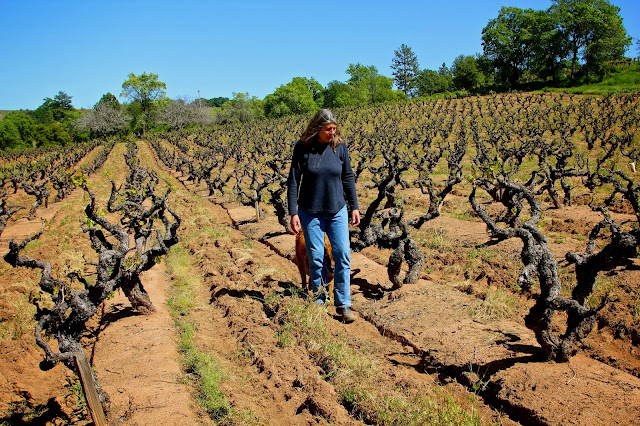
Greg La Follette is cut from the same cloth as other extreme winemakers whose work is measured not only by what they put in the bottle, but also by the waves they generate while doing it. In France, I think of Lucien Peyraud, André Ostertag and the recently departed Didier Dagueneau as consummate extremists; casting shadows over even their more respected peers with their bold winemaking tactics.The modern era of California winemaking was pushed along – willingly, and at times unwillingly – by the fighting spirit of Martin Ray, the prescience of Joseph Swan, and the energy of André Tchelistcheff (under whom La Follette studied at Beaulieu); and in recent years, by oft-times prickly icons like Randall Grahm, Jim Clendenen, David Ramey, and Manfred Krankl.There are many more, of course, of varying degrees in all parts of the wine world. The common thread describing all these vintners making their living at the edge: contrarian methodology conducted on the basis of what’s worked in the past, but lost in the present mostly due to fear factors.For La Follette – who arrived to the point he’s at today after somewhat more mainstream successes at Hartford Court and Flowers – it’s about taking pristine raw material from largely cold climate sources (Sonoma Coast, Carneros, Russian River Valley, Mendocino, and north facing slopes of Sonoma Mountain), and applying his self-styled “Euro-centric” instincts to risk-taking measures that retain (rather than “extract”) every last drop of flavor and texture a grape can give. In a story in Wines & Vines, for instance, La Follette talks about the science of fermentation he learned at Davis; particularly what happens when yeasts are stressed (consequentially, assorted sulfides and mercaptans; i.e. skunk, rubber tire, cooked cabbage, etc.): “I thought, cool! I gotta try that.”And so the arsenal of experiential techniques La Follette throws at his wines each year at Tandem – established in 2001 as a dual winery/custom pad in Sebastopol – includes high stressing of native (as well as inoculated) yeasts, passive oxygenating (when wearing his Chardonnay hat, La Follette calls himself a secret member of the “Brown Juice Club”), as well as deliberate sub-sensory level sulfide production. Steps such as depriving yeast of nutrients, says La Follette, “is like being a coach… you force your athletes to a certain level beyond what they thought they can do.”In other words, forcing wines to dig down deeper to assert themselves. The results? Chardonnays with levels of viscosity and terroir related minerality you never thought possible in California grown Chardonnay. Pinot Noirs with more spice, more perfume, more feral or animale notes than hitherto suspected in the grape.In the wines of Tandem, sometimes these elements soar out of control; like La Follette’s 2006 Auction Block Pinot Noir, which exudes a heady cacophony of gingery spice, tropical flower, rhubarb and roasted beef that is more likely to confound, rather enthrall, the vast number of Pinot lovers of today; akin to what Dylan did to folkies at Newport in ’65, or the way Miles Davis’ Bitches Brew alienated the jazz crowd in ’70.In other cases – like the way the tropical and cardamom spices are embedded in densely compacted, plummy varietal fruit in his 2006 Sangiacomo Pinot Noir – La Follette takes you to an exhilarating edge, without throwing you off into realms uncharted.But when all is said and done, La Follette is still basically (to use that overheated term) a terroirist; albeit, a molecular one (to borrow a description by Tim Teichgraeber). In early September 2008 he took me on a tour of North Coast terroirs; and letting the wines themselves describe the scenery along the way:2006 Tandem, Manchester Ridge Mendocino Ridge Chardonnay – Manchester Ridge is a spectacular high elevation (2,900 ft.) vineyard on the first ridge in from the Mendocino coastline; planted to the old Wente clone as well as the new Dijon 809 (a floral variation of Chardonnay musque). Knife edge acidity is the natural offshoot of this remote (accessible only by miles of logging roads), cold climate site (grapes picked in the third week of October), and La Follette challenged it with natural yeast and minimal battonage (once-monthly lees stirring during barrel aging). The result is a wine of fresh, unfettered perfume (more of meadow wood flowers than pineapple), a subtle creaminess just hinting at honey and butterscotch, and unusually long, extended, smooth, even keeled flavors (not a tart or rough edge to be found).2002 Tandem, Porter-Bass Russian River Valley Chardonnay – Porter-Bass is a mature vineyard (its Zinfandel block over a 100 years old), biodynamically and organically farmed by Sue Porter and Dirck Bass; its Wente clone Chardonnay picked at a ton or less per acre. La Follette inoculated with a strain to bring out delicate, white flowery notes of the grapes; and at after over five years in the bottle, the wine is still crystal clear (shimmering pale gold), with floral, minerally, and roasted/honeyed almond components riding on a mildly tart edged, silken textured, medium-weight body. Definitely a finesse style; and yes, you can say Burgundian, but more in terms of its snail’s pace evolution and steely structure than actual aromatics (apart from its stony subtleties).2006 Tandem, Sangiacomo Vineyard Sonoma Coast Chardonnay – In ’06 rains caused about 15% rot in this vineyard; and La Follette tells the story of Sangiacomo harvest crews picking with an assortment of rain covers and sorting tables jimmy-rigged right in the field; followed by more hours of sorting at the winery done by Greg, his wife Mara and their kids. Despite the labor, perfectly presentable, honeyed tropical fruit notes (wrapped in mildly toasted oak) of “noble rot” show up in the nose; and on the palate, the touch of botrytis seems to have also added an even more viscous texture to bright, citrusy crisp, tropical flavors (sweet apple tilted towards pineapple and passionfruit), and the wine finishes with the classic Tandem touch of silk draped over steel beams.2006 Tandem, Auction Block Sonoma Pinot Noir – Although this Pinot is dominated by Sonoma Coast, Sonoma Mountain and Russian River components, the icy-climatic Manchester Ridge Vineyard probably adds to the wildly uncouth, dancing, ringing perfume of this multi-source cuvée. And boy, does it hop. Two weeks after my visit with La Follette, I placed this in a double-blind tasting with a group of seasoned Denver oenophiles, and the contrast with Pinots from Oregon (including a sumptuous 2005 Domaine Serene Two Barns from Dundee Hills, and a remarkably finesseful 2005 Cristom Louise Vineyard from Eola-Amity Hills), California (a typically aggressive, big, meaty 2003 Peter Michael Pisoni Vineyard from Santa Lucia Highlands), and France (wines, complete with Burgundian tar, smoke and rubber boots, such as a 1994 Pierre Damoy Clos de Bèze and 1998 Robert Arnaux Nuits-Saint-Georges Les Poisets) couldn’t have been more dramatic. Even the drapery gives you warning: deep purplish center transitioning to glistening crimsom and brick at the rim. As if the Auction Block’s color and fragrance aren’t exotic enough; its juxtaposition of the softest silk and zesty, mouthwatering acidity (La Follette calls this textural contrasting “levitating”) also puts it on a totally different footing (or should I say planet?) from the eleven other wines we was compared it to. However which way you look at it, this isn’t just pushing envelopes; it’s reading and eating it, too!2006 Tandem, Silver Pines Vineyard Sonoma Mountain Pinot Noir – On a northwest facing, 1,000 foot slope exposed to a wind gap shooting up from the Petaluma Gap, this clay encrusted vineyard has been producing dense, broad, almost brooding styles of Pinot Noir; its fruit quality veering towards black plums (away from red berry perfumes) with smoky, woodsy, slightly resiny, feral notes (La Follette calls the nose “slutty”); but all of this mitigated by a slipping, sliding, fleshy pliant feel – pure pleasure on the palate. Given La Follette’s procedurals, a stunning explication of terroir and grape siting.2006 Tandem, Van der Kamp Vineyard Sonoma Mountain Pinot Noir – This 1,400 elevation site (highest in the AVA) is, evidently, the source of the oldest plantings of Pinot Noir in Sonoma County, continuously farmed by the Van der Kamp Vineyard for over forty years. Like the Silver Pines, it also offers dramatic distinctions of terroir: beginning with sweet, dark berry fragrances tinged with scrubby, herby aromas hinting at French roasted coffee; and going further with a round, beefy mouth-feel combining sinewy muscle and a lush, velvet texture, filled out by dense tannin and punctuated by snappy acidity. Everything we like about the grape firmly in place, but within the unique context of a place.2006 Tandem, Sangiacomo Vineyards Sonoma Coast Pinot Noir – Nota bene, although Sangiacomo is known mostly as a Carneros AVA, La Follette’s source is from a newer parcel located well west of Carneros, exposed to bone chilling winds charging through the Petaluma Gap. Very much identifiable with Sonoma Coast and the restrained yet penetrating style of Pinot Noir associated with it. Here, I also think La Follette puts it all together: exotic Pinot spice (cracked peppercorn and cardamom) mixed with wild berry, plum and caramelized fig; and a permissively sleek, sexy, vibrating mouthful of lush, almost sweet flavors bolstered by firm yet perfectly rounded tannin. Ah, this is what Teichgraeber means by “molecule man.” Indubitably not Pinot Noir for the timid, much less the mainstream. But once you’ve come to terms with La Follette’s world, how can you resist?
Double-blind tastings are always so broadening. All prejudices, except for the ones that persist in your mind (or sensory memory), are thrown out the window. Let the chips fall where they will: if you taste something you like that you previously didn’t, or vice-versa, there you go…Here’s a tasting of ten that I did with a group of hardened Denver oenophiles last week (09/19/2008). Granted, we all knew what wines we personally brought to the table, but not what each other brought (making this a 90% double-blind tasting). How the chips fell, in order of my preference:1. 2005 Domaine Serene, Two Barns Dundee Hills Pinot Noir Domaine Serene was always a producer I’ve always had mixed feelings about; and before the unveiling I “identified” this wine as Californian. Which goes to show how blurred the lines of distinction between contemporary Oregon and California Pinot Noirs have become – Oregon grown Pinots showing the deeper colored, riper, fuller bodied characteristics associated with California Pinots, and California grown Pinots showing more of the restraint and finesse long associated with Oregon Pinots. The Two Barns’ deep, purplish ruby cast at the center had me immediately thinking “big extract Californian.” But no matter, because this was also an extremely fine, yet meaty textured wine; the nose tight but sweet and concentrated in wild berry aromas; and on the palate, full and notably fleshy, with generous but round, pliant tannins tucked well between the meaty layers.2. 1998 Domaine Robert Arnaux, Nuits-Saint-Georges Les PoisetsAll the Burgundies in this tasting were significantly older than the West Coast Pinot Noirs; but take it for what it is: we empirically know that Burgundies evolve slower than West Coast Pinot Noirs anyhow, and so this probably evens things out in terms of fairness issues. A rich ruby center rimmed by bright brick tones follows up with partially evolved charred, smoky earthy qualities, enveloping sweet, berryish Pinot Noir aromas tinged with yeasty notes. On the palate, the wine is dense and juicy, still tight with round, compacted tannin on top of lush fruit flavors. But no question about it: very distinctly Burgundian; bearing earthen characteristics that couldn’t possibly be construed as New World.3. 2005 Cristom, Louise Vineyard Eola-Amity Hills Pinot NoirMaybe it was the aggressive qualities of most of the wines in this tasting that made me partial to this cuvée by Cristom; a producer whose Pinot Noirs I have found to be tough and oft-times disjointed in past vintages. Whatever the case, there is nothing but the opposite – understated intensity, and a tender, velvety, long and languorous feel – about this Cristom (think Audrey Hepburn with smoke and elongated platinum cigarette holder). The nose is sweet and floral, with crushed berries and cassis; on the palate, medium to medium-full in weight, the fruit becoming plummy, and the tannins fine and textured.
4. 2006 Tandem, Auction Block Sonoma Pinot Noir This was not a group favorite, and I can’t say I blame anyone. Tandem does not produce demure Pinot Noirs; and this cuvée – dominated by grape sources from the cold climate extremes of Sonoma Coast, Sonoma Mountain and Russian River – is wildly uncouth, dancing around with ringing perfumes and a cacophony of spices: a jarring contrast with every other wine in this tasting. Even the color – deep purplish center transitioning to a bright crimsom rim – gives fair warning of the heady, flowery, exotic fragrances (ginger, cardamom, rose petals, ripe berries and toasty oak), and the juxtaposition of lacy silk and zesty, mouthwatering acidity, lengthening the intensity of pungently spiced fruit in the finish. Call it a brother from another planet – love it (like me), or leave it!5. 1985 Louis Jadot, Nuits-Saint-Georges Les Boudots 1er CruThis was the overall group favorite, and why not? It was almost miraculous in enduring freshness, and its soft, round, delicate, melting qualities epitomize the unmistakably discreet charms of gracefully matured Burgundy. I gave it high marks for finesse, but fewer marks for complexity. Color is brickish brown with an orangy rim; the nose, of sweet rose petals and charred leaves, with subtle, engaging animal notes flowing between the soft, lingering flavors.6. 2005 Domaine Serene, Evenstad Reserve Willamette Valley Pinot NoirHere’s the rub: there were actually two bottles of this same wine inserted into the tasting; and purely by coincidence, they ended up being served one after the other, confounding some of the tasters (who wouldn’t be? – it was like kissing twins, and not knowing which one). As it were, the two bottles weren’t exactly alike – one bottle tasting bigger, but finishing with a slight smack of alcohol. But both were rich in deep, youthful, violet toned red color as well as sappy, black cherry/red berry aromas. On the palate, an aggressive style of Pinot Noir (again, more “California”): broad, sinewy, and slightly tough with tannin. This is the style of Domaine Serene I’ve always felt sends mixed signals: there is varietal perfume aplenty, but a rather unvarietal pugnacity in the delivery (like a good man in drag). But if this is what you like, it can be your greatest Pinot in the world.7. 2003 Peter Michael, Pisoni Vineyard Santa Lucia Highlands Pinot NoirThis unrepentantly aggressive (and yes, very much Californian) Pinot Noir received a number of “first place” votes; and in fact, there is plenty to sink your teeth into: particularly, lush, textured, mouth-filling fruit qualities belying its full-tilt sensations. I like the intensity, as well as its roasted meat, feral nuances; but couldn’t quite get behind its sweet-ish notes of volatile acidity (in this wine, giving warm, balsamic-like notes) which, granted, lifts the Pinot perfume, but slightly above the threshold of my personal (mind you) preference.8. 1994 Domaine Pierre Damoy, Clos de Bèze Grand CruIt has always been wrong to compare traditionally elevated, terroir focused Burgundian growths with plainly fruit driven American Pinot Noirs. That said, the round, velvety textured quality of this wine takes the back seat to few Pinot Noir based wines; but both tight tannin underpinnings and pungent, earthy, brie-like aromatics put it on the opposite end of the varietal scale from soft, fruity styles. I thoroughly enjoyed this wine, and felt that it was such a shame that I was sipping it alongside other wines rather than with, say, a good, roasted cut of veal in a silky wild mushroom demi-glace.9. 2003 Nicolas Potel, Clos de la Roche Grand CruMedium ruby color, followed by moderately rich, spicy sausage and low key berry notes, tinged with a slight gaminess tagging its Old World lineage; and like a lot of Old World growths, the feel is lean, narrow, and slightly tart edged; all good qualities, but in stark contrast with the lusher, rounded textures of most of the rest of the wines in this tasting.10. 1995 Comte Armand, Pommard Clos des Epeneaux 1er CruBrick ruby and low key Pinot perfumes tinged by interestingly resiny, almost piney nuances as well as, alas, slightly dirty notes veering towards TCA (but not quite there). On the palate, a firm, lean-beefy texture giving mildly tart, sweet Pinot fruit sensations of moderate intensity.
Just back from a wham-bam four day trip through the North Coast (Sept. 2-6), and uncovered some brand new gems -- always the best part of these visits! No necessarily in order of my preference, since each of the following absolutely bowled me over:2004 Lang & Reed, Napa Valley Right BankI haven't been this excited about a new release since Van Morrison's Stoned Me (many moondances ago, as it were). If you've loved winemaker/proprietor John Skupny's Premier Étage Cabernet Francs -- and yes, the scrumptuous qualities of Saint-Émilions like La Mondotte and Canon-la-Gaffeliere -- you'll flip over this, too. Napa Valley sourced Cabernet Franc (53%), Merlot (30%), Petit Verdot (9%), Cabernet Sauvignon (8%)... yada yada... the important thing is that Skupny has crafted a blend that is so tender, so dense yet soft, succulent and unerringly balanced, all you can think is wow... this is what Bordeaux style blending is all about. Aromas are of concentrated black cherry and blackcurrants, with minty/herby nuances at the center. Talk about tannin management -- Skupny has become a master of perfectly round and seamless tannin molecule, with lots of it (nothing weak or bony about this wine). In the end, just delicious, and undoubtedly as food versatile as any of these types of wines can be. Only prob: only 170 cases made (get 'em while they're hot!)2005 Neyers, Conn Valley ÂME Cabernet SauvignonEveryone knows Neyers makes great wines -- impeccably crisp, minerally, detailed Chardonnays, powerfully plump Zinfandels, endlessly deep Syrahs, and the luscious possible Merlot. But now you can add 100% Cabernet Sauvignon to that list: the ÂME, just unbelievable. Not just big, thick and concentrated like you would expect out of Cabernet Sauvignon from hands of masters (for the record, Tadeo Borchardt has recently taken over the reins as winemaker from Ehren Jordan, who remains a consulting partner), but also seamlessly smooth and textured. Liquid velvet, in the manner of speaking. 400 cases were coaxed out of Neyers' home vineyard (less than a ton per acre) planted in 1996 -- decomposed basalt, granite and gravel on a harrowing 40 degree slope, 800 foot elevation, close spacing, low unilateral trellising, organically farmed, and then crafted in the Neyers style (indigenous yeast, 30 day maceration, zero filtering...). Âme means "soul" -- and Bruce Neyers has truly captured the soul of the Cabernet Sauvignon grape -- although the name is also an acronym for Bruce's three kids. Whatever the case... bravo, Bruce!2005 Cedarville, El Dorado SyrahIt's been about ten years now since Cedarville burst upon the scene with their high elevation (2500 feet), mountain grown Syrahs and Zinfandels. The good news is that they're better than ever, which is saying a lot. If you're looking for a California grown Syrah that truly captures the perfume, meat and zest of, say, Northern Rhone reds -- that is, without the coarse, raisiny qualities typical of most California Syrahs -- then the crumbly granite, sandy soils in El Dorado's Fair Play sub-AVA is the place to find it. The Cedarville's nose is of classic Syrah spice -- peppery violets, with roasted coffee, grilling meat and burnt leaf nuances -- and on the palate, the feel is big and velvety, the dusty, iron fisted quality of the Fair Play terroir mingling with sweet sensations in the finish. Like Neyers' new Cabernet, soul-satisfying.2005 C.G. de Arie, Southern Exposure Shenandoah Valley ZinfandelNo visit to California is complete without the discovery of another starry Zinfandel. I've been skeptical of Amador County Zinfandels in general the past ten, fifteen years, and so it's gratifying to find one that retains all the luscious, cinnamon-and-clove spice for which the foothills originally made its reputation, but without the rough, varnishy, over-oaked flaws that are all too common in wines from that region. The operative term in the C.G. de Arie is sumptuous (as opposed to "big" or "bruising"); sweet berry jam and clove and peppercorn-studded orange peel mixed in with the varietal spice, and on the palate the wine is dense and full, yet with more emphasis on the round, lush qualities of the grape. This is good, smart winemaking because nothing is done to get in the way of the pure taste of the grape, which is plenty good without the excess bells and whistles.